 Contact
 Donate
 Languages
 Events

 Visit Greenways
 Future Projects
 Get Involved
 How We Work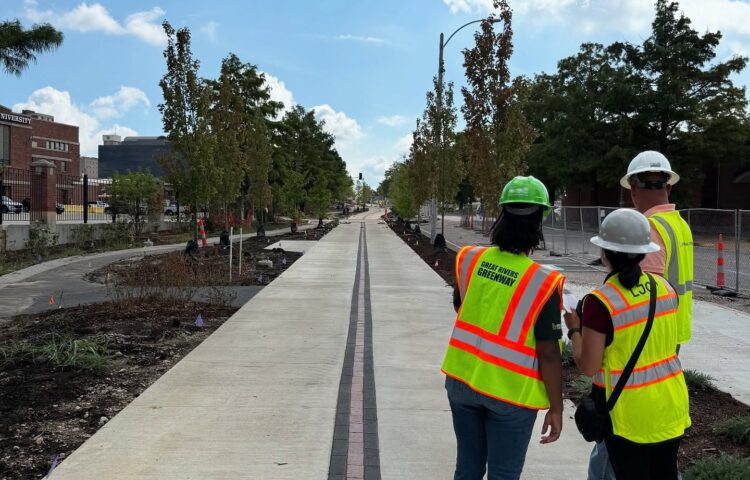
Where and how we build a greenway matters. We want to create the best, most accessible opportunities for people to enjoy nature and explore our region, while doing as much as we can to benefit the habitats surrounding the greenways. Scroll down to see some of the ways that happens during the process to build, design and construct a greenway.
For more technical specifics of any of this work, check out our Design Guidelines.
Habitat Improvements
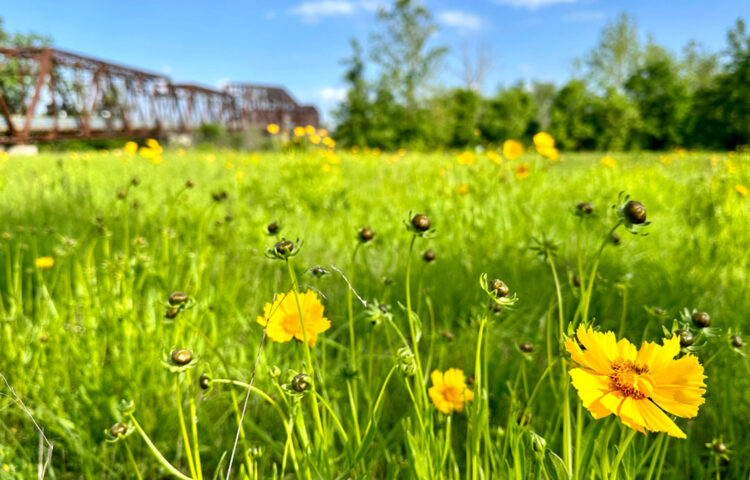
Each greenway is evaluated throughout the planning and design process by our conservation staff for opportunities to:
- Choose the route and construction methods carefully to protect any habitats and keep disturbance low
- Remove invasive species from the project area improve habitats like a wetland, prairie, or woodland
- Add new, native plants and trees that add shade, clean air and beauty to the greenways
- Structure the design of the greenway to mitigate flooding and erosion
- Use recycled, local, and sustainable materials when possible
Water Matters
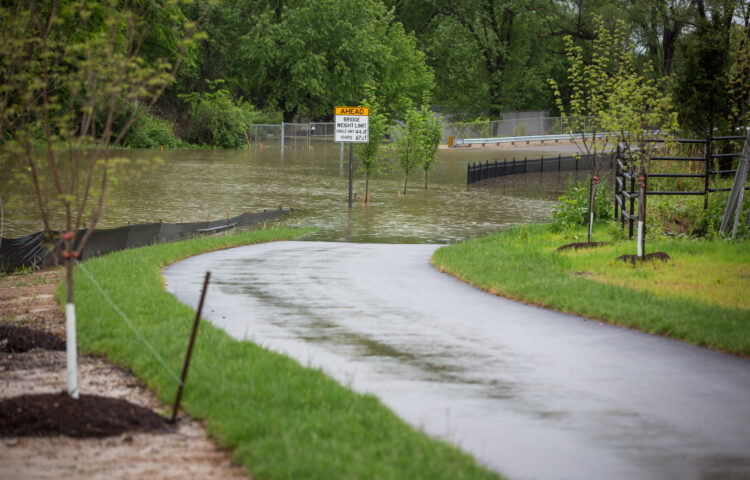
The land surrounding our rivers and our creeks is going to flood – let’s make sure it can!
While it can be an inconvenience to have a greenway closed during a major flood because it’s underwater, that’s the best thing to be out of commission. Let’s keep people and their places safe and let floodplains do their jobs to absorb, filter and release water back into the land.
Best practices to slow down, spread out and soak up storm and flood waters include:
- Preserving public lands adjacent to the greenways
- Improving streambanks and the ecosystems near waterways
- Replacing normal grass/turf (very short roots) with native prairie
- Adding a rain garden full of native plants with deep roots to absorb, clean and slowly release the water
- Amending the soils
- Using permeable pavers at trailheads to let water seep through
Cultivating Sustainability
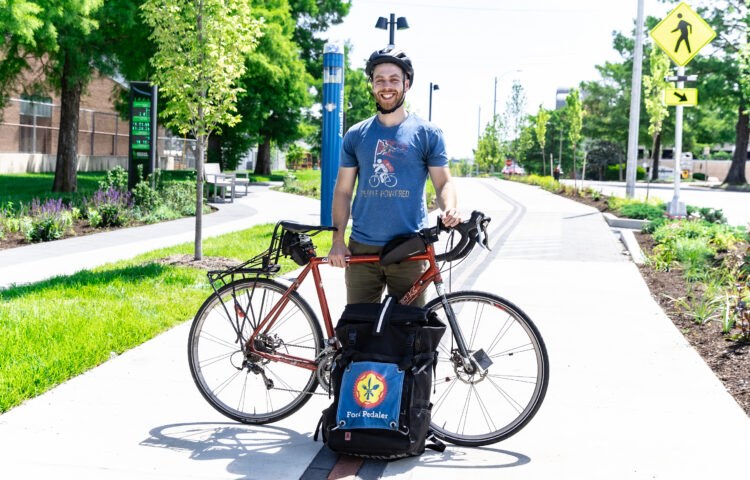
Adding more greenways to the system also contributes to more people in the region:
- Making choices for healthy, sustainable transportation (including public transit, too) that reduces car pollution by lowering emissions, lessening traffic congestion and using less fuel overall
- Exploring and falling in love with nature, endearing people to consider stewardship when volunteering, donating, voting, and making choices in their own communities